
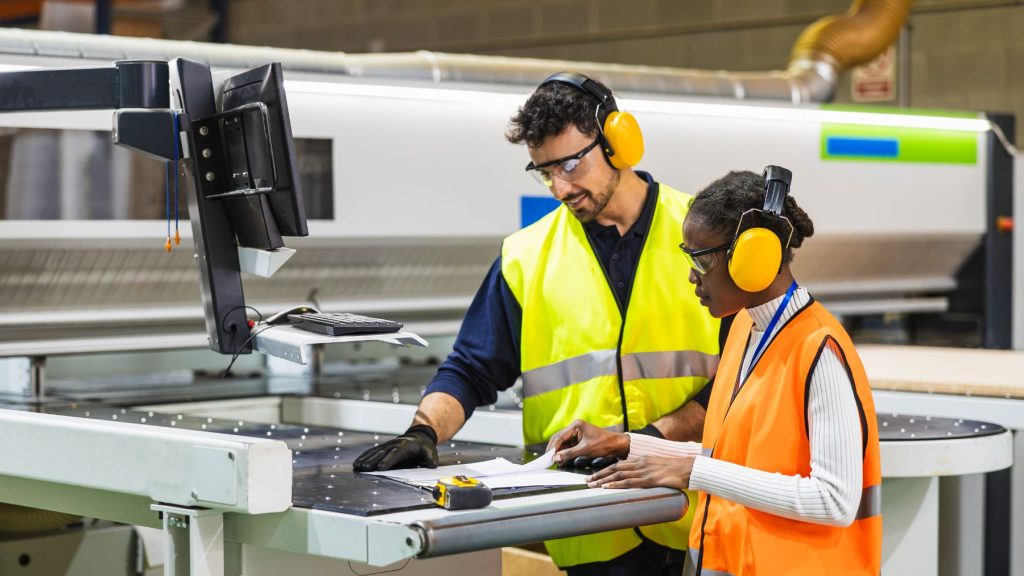
Pre-inspection means having a qualified engineer examine a machine before money changes hands or before it is shipped. It replaces a decision based on photos and a seller's word with one based on facts that have been checked.
This guide explains what pre-inspection covers, when it is worth doing, what the engineer looks for, and what you receive at the end.
What is pre-inspection of machinery?
Pre-inspection is an independent physical check of machinery, new or used, carried out where the machine is located, before you buy it, accept dispatch or import it. A Chartered Engineer verifies what the machine is, what condition it is in, whether it works as claimed and whether the paperwork matches. The findings are recorded in a written report.
When should you get one?
- Buying second-hand machinery: in India or abroad, where the only information you have is a listing, photographs and the seller's statements.
- Before dispatch or import: to confirm that new or used equipment matches the purchase order. For shipments, see our pre-shipment inspection service.
- Before paying: ahead of an advance, or before releasing the final payment.
- For bank finance or valuation: when a lender or valuer wants an independent view of the asset.
- For regulated imports: some imports of used capital goods need a Chartered Engineer certificate. Check the current Foreign Trade Policy and DGFT rules for your case.
What the engineer checks
| Area | What is looked at |
|---|---|
| Identity | Make, model, serial number and year of manufacture, compared with the nameplate and the invoice. |
| Condition | Wear, corrosion, cracks, leaks, past repairs and missing parts. |
| Operation | Test run where possible: noise, vibration, temperature and performance. |
| Electrical and controls | Motors, panels, wiring, safety interlocks and the control system. |
| Completeness | Accessories, tooling, spares, manuals and drawings. |
| Documents | Invoice, packing list, test reports and maintenance history. |
| Packing and marking | How the machine is packed and labelled for transport, for shipments. |
Warning signs an inspection can bring out
Inspections often catch problems that photographs hide. Typical examples are:
- A nameplate or serial number that does not match the papers
- Fresh paint over rust, or over an area that has leaked
- A seller who cannot or will not run the machine for a test
- Missing control parts, manuals or drawings
- Age or running-hour claims that the records do not support
- Unexplained repairs or welding
None of these automatically means the machine is unsuitable, but each one is a reason to ask questions or to renegotiate before you pay.
How the process works
- Share the machine detailsTell us the make, model, location and what you plan to use it for.
- Agree the scopeWe confirm what will be inspected, whether a test run is possible and what photographs or video are needed.
- Inspection at the siteOur Chartered Engineer examines the machine and its documents where it stands.
- Written reportYou receive the findings with photographs and the engineer's conclusion, so you can decide with confidence.
What the report usually contains
- Identification of the machine and its nameplate details
- Summary of its condition, with photographs
- Observations from the test run, or a note on why none was possible
- Differences from the purchase order or specification
- Checklist of accessories, spares and documents received
- The engineer's conclusion
The exact scope depends on the machinery, the buyer's requirements and any rules that apply to the transaction.
What to share before the inspection
- Purchase order or proforma invoice
- Specifications or catalogue of the machine
- Seller's name and the location of the machine
- Photographs and maintenance records, if the seller has them
- Import documents, where the machine is being imported
- A note on the purpose, such as purchase, finance or a regulatory filing
How it differs from related certificates
| Service | The question it answers |
|---|---|
| Pre-inspection | Is this the machine described, and what condition is it in before I buy or ship it? |
| Valuation | What is the machine worth? |
| Fitness certificate | Is the machine fit to operate? |
| Residual life certificate | How much working life does the used equipment have left? |
| Installation certificate | Has the machine been installed correctly at your site? |
Frequently asked questions
Do I need a pre-inspection for new machinery?
It is often worth it for large or custom machines. Checking that the machine matches the order before dispatch is easier to fix than a mismatch found after delivery.
Does a clean inspection guarantee the machine will not fail?
No. The report records the condition at the time of inspection and flags what can be seen and tested. It cannot predict every future fault.
Is a test run always possible?
Not always. It depends on power, materials and the seller's setup. Where a run is not possible, the report says so, and that is useful information in itself.
Can you inspect machinery that is in another city or country?
Share the location and your requirement, and we will confirm how the inspection can be arranged.
Planning to buy or ship machinery?
Tell us about the machine and your purpose. We will confirm the scope of inspection and how to get started.
This article is general information about machinery pre-inspection. Requirements vary by transaction and by authority, so confirm them for your case.